Article Summary
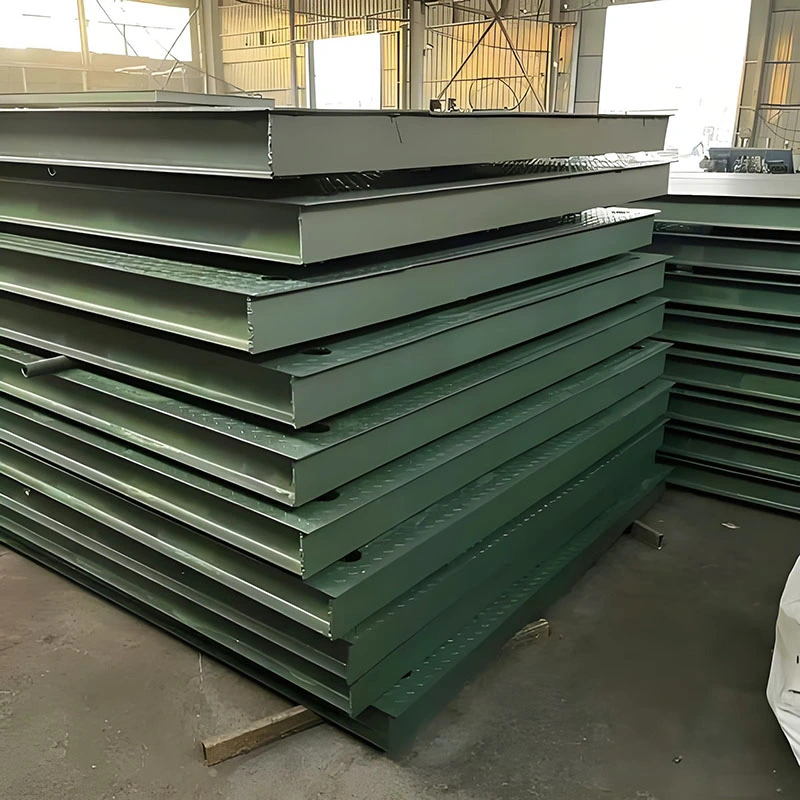
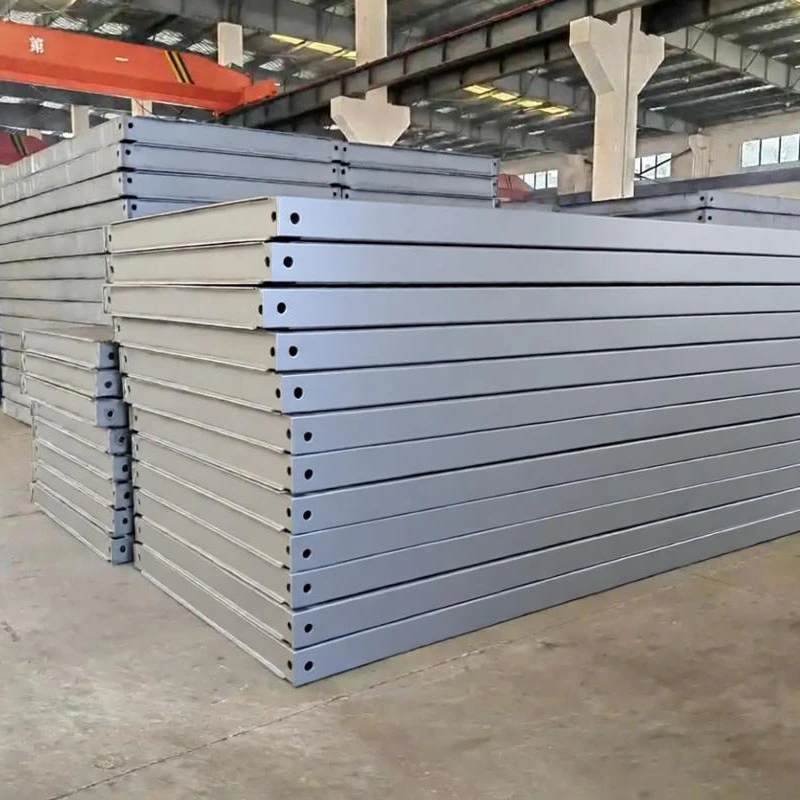
Curtain Wall Square Tube systems have become a fundamental component in modern architectural façade engineering.
They provide structural stability, aesthetic flexibility, and long-term durability for commercial and residential buildings.
This article explores their functions, benefits, materials, installation considerations, and common challenges, helping buyers,
engineers, and project developers make informed decisions.
1. Overview of Curtain Wall Square Tube Systems
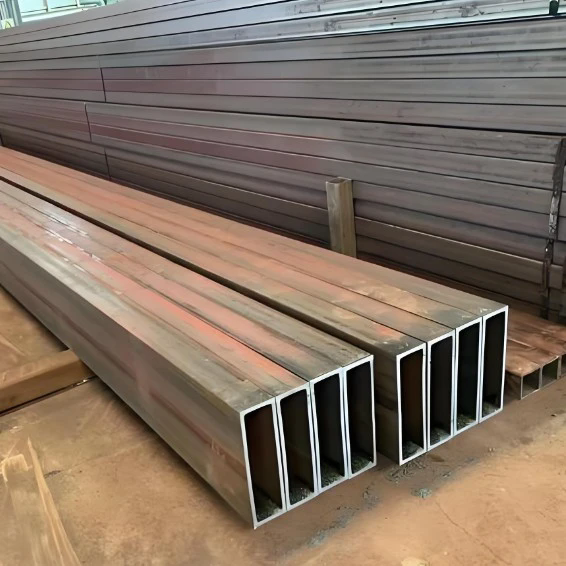
Curtain Wall Square Tube refers to hollow structural steel or aluminum tubing used as the primary framing element in curtain wall systems.
These tubes act as vertical and horizontal supports that carry glass panels or metal cladding without bearing the structural load of the building itself.
In modern architecture, these systems are widely adopted because they enable lightweight façade construction while maintaining strength,
precision alignment, and visual consistency.
2. How Curtain Wall Square Tube Works
The curtain wall system functions as an external skin attached to the building frame. The square tube acts as the skeleton of this skin.
Loads such as wind pressure, seismic movement, and thermal expansion are distributed through the tubular frame and transferred to the main structure.
-
Vertical mullions provide primary load transfer paths
-
Horizontal transoms stabilize panel alignment
-
Connection brackets absorb structural movement
-
Glass or panel units are mounted externally for insulation and aesthetics
3. Common Materials and Specifications
Curtain Wall Square Tubes are typically manufactured using aluminum alloys or galvanized steel depending on project requirements.
Each material offers different performance characteristics.
|
Material
|
Strength
|
Corrosion Resistance
|
Typical Use
|
|
Aluminum Alloy
|
Medium
|
High
|
High-rise glass façades
|
|
Galvanized Steel
|
High
|
Medium
|
Industrial buildings
|
|
Stainless Steel
|
Very High
|
Very High
|
Coastal or extreme environments
|
4. Key Benefits in Modern Construction
Curtain Wall Square Tube systems provide multiple advantages that directly address common construction challenges such as weight reduction,
energy efficiency, and installation speed.
-
Structural Efficiency: High strength-to-weight ratio reduces building load.
-
Design Flexibility: Supports complex geometric façade designs.
-
Energy Performance: Improves insulation when paired with modern glazing.
-
Durability: Resistant to deformation and environmental stress.
-
Maintenance Efficiency: Modular design simplifies repair and replacement.
5. Installation Considerations
Proper installation is critical for ensuring structural integrity and long-term performance. Engineers must account for alignment,
thermal expansion, and load distribution.
Key installation steps include:
-
Precise measurement and layout of building façade grid
-
Anchoring square tubes to structural slabs
-
Alignment verification using laser leveling tools
-
Installation of glazing or panel systems
-
Sealing and waterproofing joints
6. Comparison Table: Square Tube vs Alternative Systems
|
Feature
|
Square Tube System
|
Traditional Frame
|
|
Weight
|
Lightweight
|
Heavier
|
|
Installation Speed
|
Fast modular assembly
|
Slower on-site fabrication
|
|
Design Flexibility
|
High
|
Moderate
|
|
Cost Efficiency
|
Optimized over time
|
Higher labor cost
|
7. Common Challenges and Solutions
While Curtain Wall Square Tube systems offer many advantages, certain challenges may arise during design and installation.
-
Thermal Expansion: Requires flexible joints to prevent stress cracking.
-
Water Leakage: Proper sealing systems must be applied.
-
Alignment Errors: Laser calibration tools help maintain accuracy.
-
Material Selection: Must match environmental conditions.
8. Applications in Real Projects
Curtain Wall Square Tube systems are widely used in:
-
Commercial skyscrapers
-
Shopping malls and airports
-
Institutional buildings such as universities
-
Luxury residential towers
-
Industrial façade systems
Their adaptability makes them a preferred solution in both high-end architectural projects and large-scale infrastructure developments.
9. Frequently Asked Questions
Q1: What is the main purpose of Curtain Wall Square Tube?
It serves as a structural framing system that supports curtain wall façades without bearing the building’s main load.
Q2: Is aluminum or steel better?
Aluminum is preferred for lightweight and corrosion resistance, while steel is chosen for heavy-duty structural needs.
Q3: How long does installation take?
Installation time depends on project size, but modular square tube systems significantly reduce construction time.
Q4: Can it withstand extreme weather?
Yes, when properly engineered and installed, it performs well in wind, rain, and seismic conditions.
Conclusion
Curtain Wall Square Tube systems represent a modern engineering solution that combines strength, efficiency, and architectural freedom.
Their ability to support complex façade designs while maintaining structural integrity makes them indispensable in today’s construction industry.
Shenghui specializes in high-quality Curtain Wall Square Tube manufacturing and supply, ensuring consistent performance for global projects.
If you are planning a construction project or sourcing reliable façade materials, Shenghui – contact us for professional support and tailored solutions.
For more product details, please refer to:
https://www.shenghuisteel.com/curtain-wall-square-tube.html
 English
 Español
 Português
 русский
 Français
 日本語
 Deutsch
 tiếng Việt
 Italiano
 Nederlands
 ภาษาไทย
 Polski
 한국어
 Svenska
 magyar
 Malay
 বাংলা ভাষার
 Dansk
 Suomi
 हिन्दी
 Pilipino
 Türkçe
 Gaeilge
 العربية
 Indonesia
 Norsk
 تمل
 český
 ελληνικά
 український
 Javanese
 فارسی
 தமிழ்
 తెలుగు
 नेपाली
 Burmese
 български
 ລາວ
 Latine
 Қазақша
 Euskal
 Azərbaycan
 Slovenský jazyk
 Македонски
 Lietuvos
 Eesti Keel
 Română
 Slovenski
 मराठी
 Srpski језик