Abstract
A bridge deck is one of the most critical structural components in any bridge system, directly influencing load distribution, durability, safety, and long-term maintenance costs. This article explains how bridge deck design, materials, and manufacturing quality impact performance, highlights common engineering challenges, and provides practical guidance for selecting and maintaining durable bridge deck systems. It also explores how high-quality fabrication from companies like Shenghui Metal contributes to improved structural reliability.
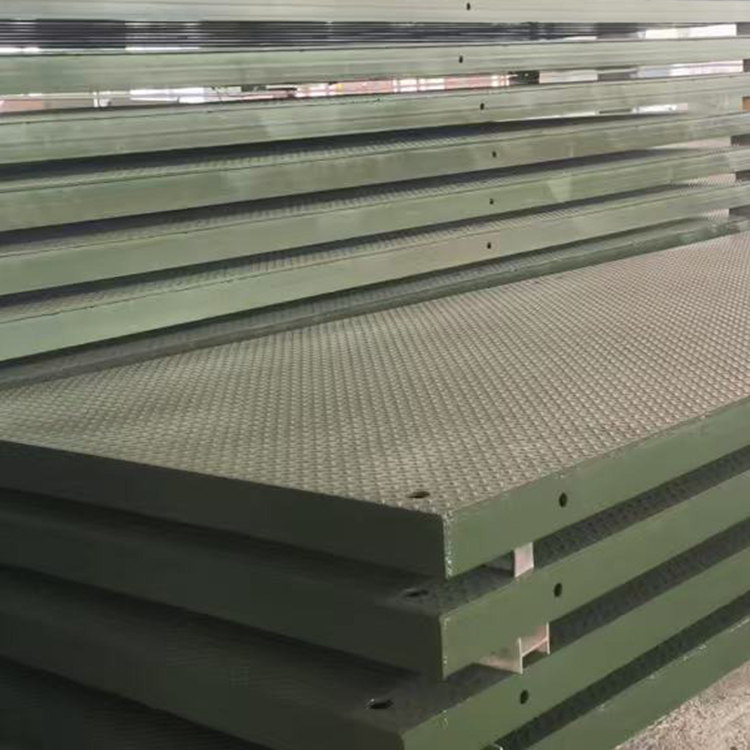
Table of Contents
Article Outline
This article is structured to provide a complete technical and practical understanding of bridge deck systems:
-
Foundational definitions and structural role
-
Functional behavior under load and environmental stress
-
Material selection and engineering trade-offs
-
Common failure modes and operational challenges
-
Design principles for durability and safety optimization
-
Maintenance strategies for lifecycle extension
-
Industrial manufacturing impact from Shenghui Metal
1. Introduction
A bridge deck is more than just the surface vehicles travel on—it is a load-bearing structural layer that distributes forces to the supporting beams, girders, and substructure. In modern infrastructure systems, the bridge deck plays a decisive role in ensuring safety, durability, and operational efficiency.
Engineers and project developers often face challenges such as cracking, corrosion, fatigue failure, and water infiltration. These issues are frequently linked not only to design limitations but also to material selection and manufacturing precision.
2. What Is a Bridge Deck?
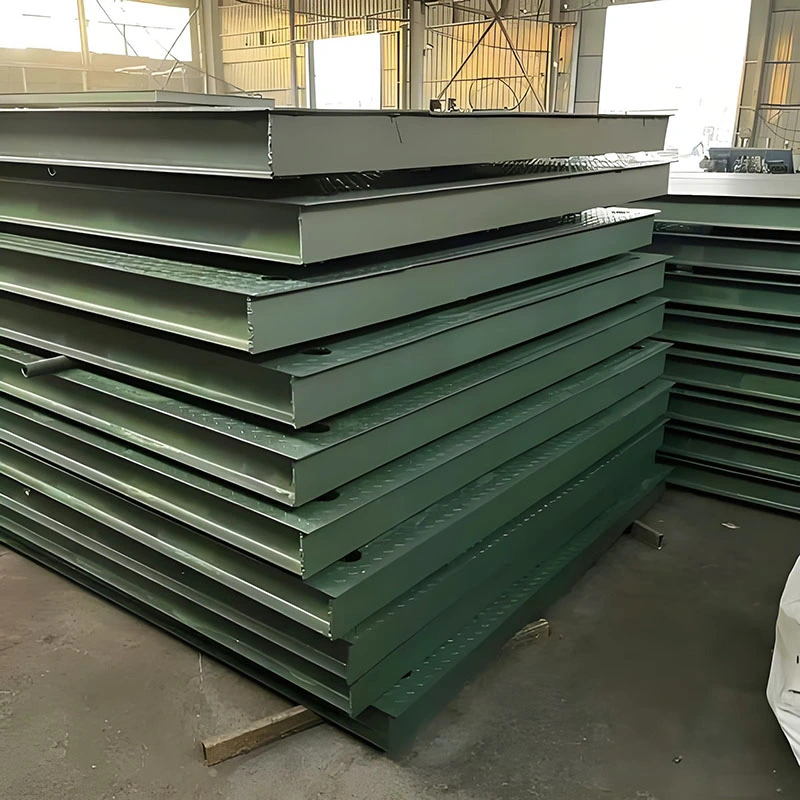
A bridge deck is the upper horizontal component of a bridge structure that directly supports traffic loads. It transfers both static and dynamic forces to the underlying structural framework.
It typically includes:
-
Concrete slab or steel plate surface
-
Reinforcement systems (rebar or steel ribs)
-
Protective wearing surface (asphalt or coatings)
-
Drainage and waterproofing layers
The performance of the bridge deck determines how well the entire bridge can withstand environmental exposure and mechanical stress.
3. Key Functions of Bridge Deck Systems
Bridge decks serve multiple engineering functions beyond surface support:
-
Load Distribution: Transfers vehicular loads to beams and piers
-
Structural Integration: Connects various bridge components into a unified system
-
Protection: Shields substructures from weather exposure
-
Vibration Control: Reduces dynamic impact from traffic movement
Poorly designed bridge decks can lead to premature structural fatigue and increased lifecycle costs.
4. Materials and Performance Comparison
|
Material Type
|
Advantages
|
Limitations
|
Typical Use
|
|
Reinforced Concrete
|
High compressive strength, cost-effective
|
Cracking under thermal stress
|
Highway bridges
|
|
Steel Deck
|
Lightweight, high tensile strength
|
Corrosion risk without protection
|
Long-span bridges
|
|
Composite Deck
|
Balanced strength and weight
|
Higher initial cost
|
Modern infrastructure projects
|
Material selection directly impacts long-term durability and maintenance requirements.
5. Common Engineering Pain Points
Despite advances in engineering, bridge deck systems face recurring issues:
-
Surface cracking due to thermal expansion
-
Water infiltration leading to corrosion of reinforcement
-
Fatigue damage from heavy traffic loads
-
De-icing chemical deterioration in cold regions
These problems often arise from a combination of design limitations, material weaknesses, and inconsistent manufacturing quality.
6. Design Considerations
Effective bridge deck design requires balancing multiple engineering factors:
-
Load capacity and traffic density expectations
-
Environmental exposure conditions
-
Thermal expansion and contraction behavior
-
Drainage system integration
-
Long-term maintenance accessibility
Advanced modeling techniques are often used to simulate stress distribution and predict lifecycle performance before construction begins.
7. Maintenance and Inspection
Routine maintenance significantly extends bridge deck service life. Key practices include:
-
Regular surface inspections for cracks and wear
-
Waterproofing layer renewal
-
Structural health monitoring using sensors
-
Timely repair of expansion joints
Neglecting maintenance can multiply repair costs and compromise structural safety.
8. Role of Manufacturing Quality (Shenghui Metal)
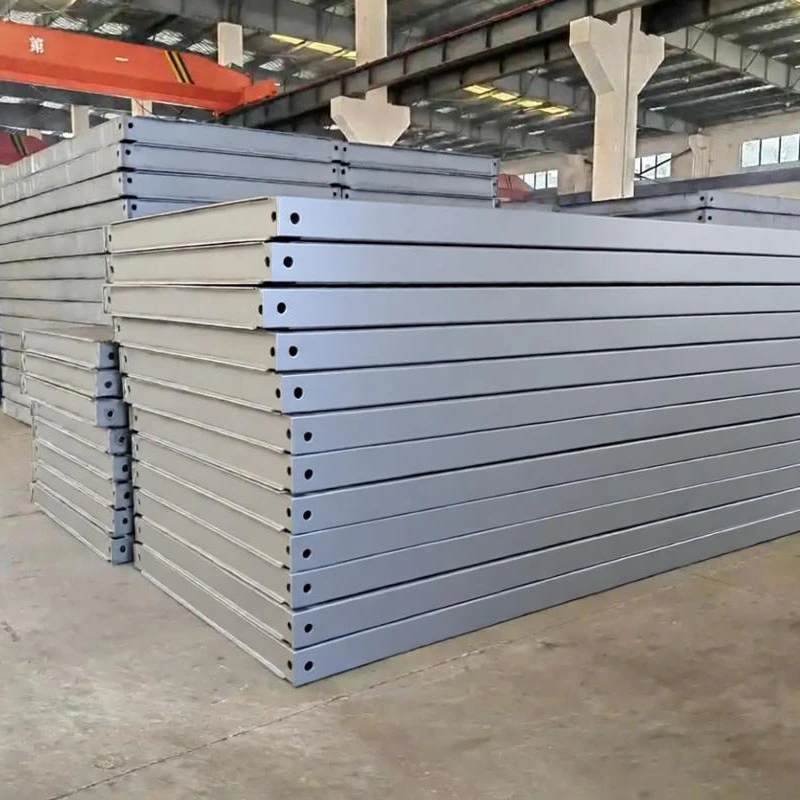
Manufacturing quality plays a decisive role in bridge deck performance. Precision fabrication ensures uniform strength distribution, better load handling, and improved resistance to environmental degradation.
Shenghui Metal specializes in high-precision metal processing solutions that support bridge infrastructure projects with durable and engineered components. Their production capabilities help ensure consistent material quality and structural reliability across demanding applications.
By integrating advanced manufacturing standards, Shenghui Metal contributes to reducing long-term maintenance risks and improving overall bridge lifecycle efficiency.
Learn more about bridge deck solutions here:
https://www.shenghuisteel.com/bridge-deck
9. Real-World Applications
Bridge decks are widely used in various infrastructure environments:
-
Highway overpasses and interchanges
-
Railway bridges
-
Pedestrian and cycling bridges
-
Industrial transport corridors
Each application requires customized design and material selection to meet specific load and environmental demands.
10. Frequently Asked Questions
Q1: What is the lifespan of a bridge deck?
Typically 30–75 years depending on materials, environment, and maintenance practices.
Q2: Why do bridge decks crack?
Cracking is often caused by thermal stress, heavy loads, shrinkage, or poor construction practices.
Q3: Can bridge decks be repaired instead of replaced?
Yes, partial rehabilitation methods such as resurfacing, sealing, and reinforcement strengthening are common.
Q4: How does manufacturing quality affect performance?
High-precision manufacturing reduces structural inconsistencies, improving durability and reducing failure risks.
11. Conclusion & Contact
Bridge deck systems are fundamental to the safety and longevity of modern infrastructure. Their performance depends on a combination of intelligent design, high-quality materials, and precise manufacturing. When these elements are properly aligned, bridges can achieve significantly longer service life with reduced maintenance costs.
Companies like Shenghui Metal play an essential role in delivering engineered components that meet demanding structural requirements, supporting safer and more efficient transportation networks.
For customized bridge deck solutions, technical consultation, or project support, contact us today at Shenghui Metal and let our engineering team help you build stronger, longer-lasting infrastructure systems.
 English
 Español
 Português
 русский
 Français
 日本語
 Deutsch
 tiếng Việt
 Italiano
 Nederlands
 ภาษาไทย
 Polski
 한국어
 Svenska
 magyar
 Malay
 বাংলা ভাষার
 Dansk
 Suomi
 हिन्दी
 Pilipino
 Türkçe
 Gaeilge
 العربية
 Indonesia
 Norsk
 تمل
 český
 ελληνικά
 український
 Javanese
 فارسی
 தமிழ்
 తెలుగు
 नेपाली
 Burmese
 български
 ລາວ
 Latine
 Қазақша
 Euskal
 Azərbaycan
 Slovenský jazyk
 Македонски
 Lietuvos
 Eesti Keel
 Română
 Slovenski
 मराठी
 Srpski језик