



Abstract · This article examines the engineering principles, material properties, installation standards, and structural mechanics of Tunnel steel waler in underground construction. The discussion covers load transfer mechanisms, design considerations, and quality control protocols essential for ensuring safe and efficient deep excavation support.
01. Structural Function of Tunnel Steel Walers
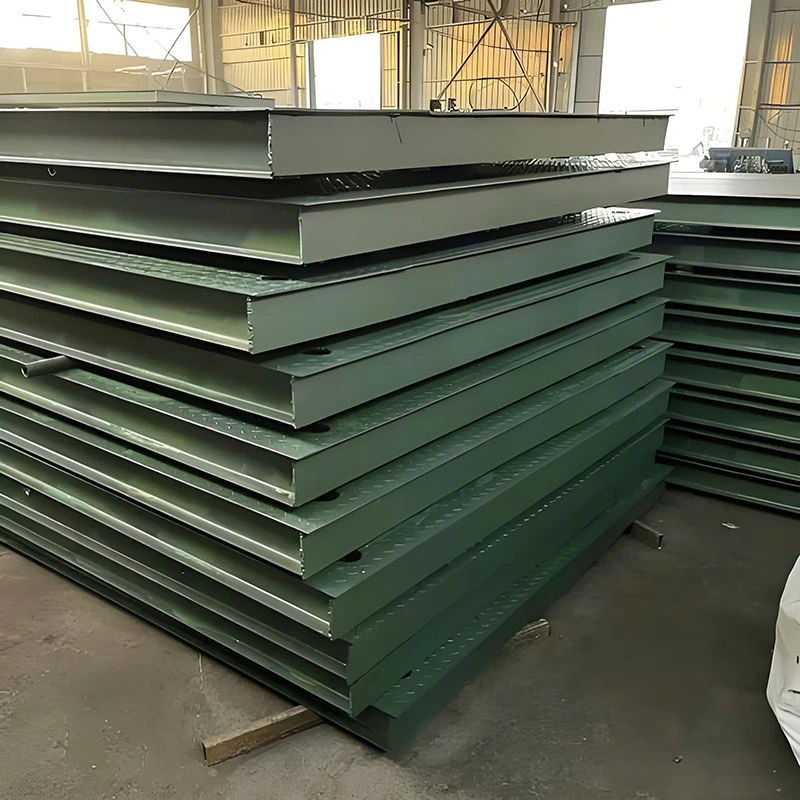
A Tunnel steel waler is a horizontal steel beam positioned between the retaining wall and the strutting system. Its primary role is to collect lateral pressures from the surrounding soil and groundwater, then distribute these forces evenly to the struts, preventing localized stress concentrations that could compromise the wall's integrity.
Walers also serve as alignment guides during installation, accommodating minor construction tolerances. In deep excavations, multiple waler levels are installed at each strut row, creating a robust structural frame that resists both static and dynamic loads. Without this distribution element, the support system would rely on point contacts, significantly increasing the risk of wall deformation or collapse.
Load collection and redistribution
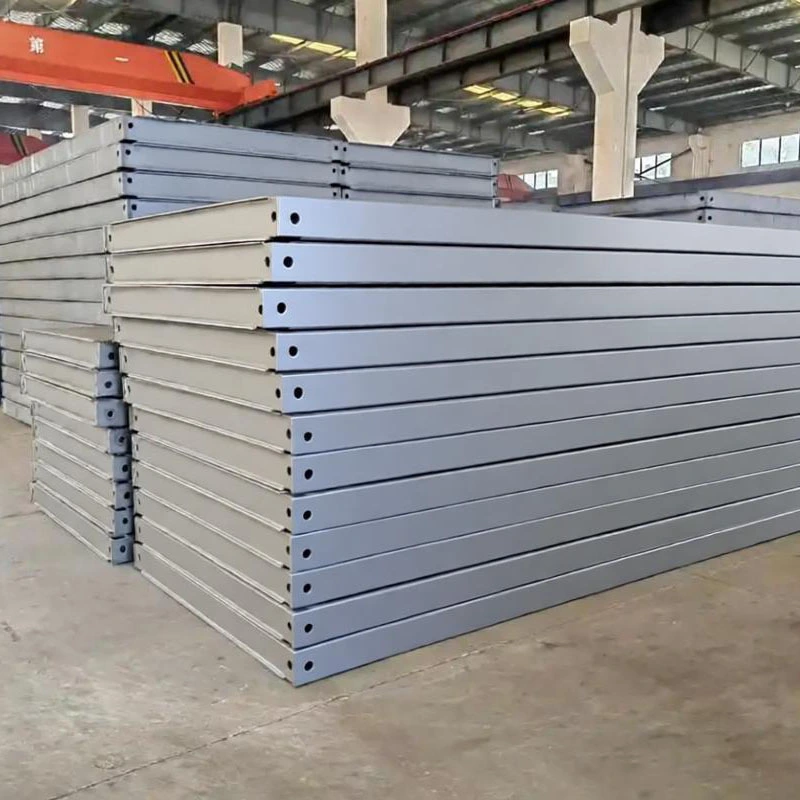
H-beam, box section, or channel pairs
Installed at each strut row level
02. Material Selection and Mechanical Properties
Cost-effective for shallow excavations with good weldability and plasticity.
Higher yield strength suited for deep foundation pits and heavy loading.
Used in high-specification projects requiring impact resistance at low temperatures.
Hot-dip galvanization or epoxy coating extends service life in wet environments.
The choice of steel grade directly affects the waler's bending resistance and load-bearing capacity. For tunnel projects with high groundwater levels or significant overburden depth, designers typically specify higher-grade materials to withstand increased lateral pressures. Weldability and ductility are also critical factors, as field connections must perform reliably under variable loading conditions.
03. Load Transfer and Strut–Waler Interaction
The connection between the strut and the Tunnel steel waler is a critical interface where forces are transmitted from the wall to the support system. Under ideal conditions, the waler receives uniform pressure and transfers it as pure compression to the strut, but real-world factors introduce additional force components such as shear, bending, and torsion.
| Load Type | Direction | Typical Cause | Design Priority |
|---|---|---|---|
| Axial Compression | Along strut axis | Earth and water pressure | Critical |
| Shear | Parallel to waler face | Misalignment, wall drift | Moderate |
| Bending Moment | About waler-strut interface | Eccentricity, wall rotation | Moderate |
| Tension | Opposite compression | Thermal effects, wall rebound | Occasional |
| Torsion | About waler axis | Off-center loading | Low to Moderate |
Based on structural load analysis from standard engineering references
Even minor eccentricities can significantly amplify stresses. For example, a 50 mm offset in a 5,000 kN strut can induce a bending moment of 250 kN·m, which must be accounted for in the connection design. Proper detailing of end connections, including the use of stiffeners and splice plates, is essential to manage these secondary loads.
04. Installation Standards and Safety Protocols
Safe and effective installation of walers requires strict adherence to engineering standards and regulatory requirements. Key requirements include:
- Soil assessment: Walers may be omitted in trenches not exceeding 2.4 m in depth, provided the soil is sufficiently hard and solid to safely permit such omission under local regulations.
- Alignment and leveling: Walers must be installed horizontally and securely connected to the retaining wall to ensure uniform load transfer.
- Bolt torque and splice verification: All connections must be checked for proper torque values and splice integrity to prevent premature failure during excavation.
- Inspection regime: Regular monitoring of deformation, weld condition, and corrosion protection is essential throughout the excavation process.
Safety Note: Regulatory frameworks such as the Occupational Health and Safety Regulation (British Columbia) and various national shoring codes provide detailed provisions for waler deployment in different soil types and excavation depths.
05. Customization and Engineering Adaptability
Tunnel projects vary widely in geometry, soil conditions, and load requirements. The Tunnel steel waler is rarely a one-size-fits-all component; customization is often necessary to meet project-specific demands.
Dimensions and Cross-Sectional Forms
- Double or multi-section I-beams and H-beams for increased load capacity.
- Box sections offering high torsional resistance for irregular loading.
- Custom lengths and wall thicknesses based on detailed stress calculations.
Production Process Capabilities
- Laser cutting for precise dimensional accuracy and fit-up.
- CO₂ gas-shielded welding for strong, defect-free joints.
- Sandblasting and anti-corrosion coating for long-term durability.
Manufacturing Note: Reputable suppliers offer full customization based on client drawings or site-specific requirements, ensuring that the waler matches the exact design parameters for each project.
06. Case References and Regulatory Context
Large-scale infrastructure projects demonstrate the critical role of steel walers. For the Thames Tideway Tunnel, heavy waler beams weighing a total of 77 tonnes were manufactured to support vertical shoring systems and prevent soil collapse during excavation. These components were fabricated to BS EN 1090 Execution Class 2 standards, with rigorous non-destructive testing (NDT) to ensure defect-free performance.
In utility tunnel applications, walers are designed to adapt to complex stress environments while controlling foundation pit deformation. Their recyclability and contribution to shortened construction cycles align with modern green building principles. Regulatory compliance is a prerequisite for any tunneling project; standards such as AS 1657, AS/NZS 2865, and various national shoring regulations define the design, installation, and inspection requirements for waler systems.
Frequently Asked Questions
All technical specifications are subject to project-specific engineering analysis. Always consult qualified professionals for design and installation.