Abstract
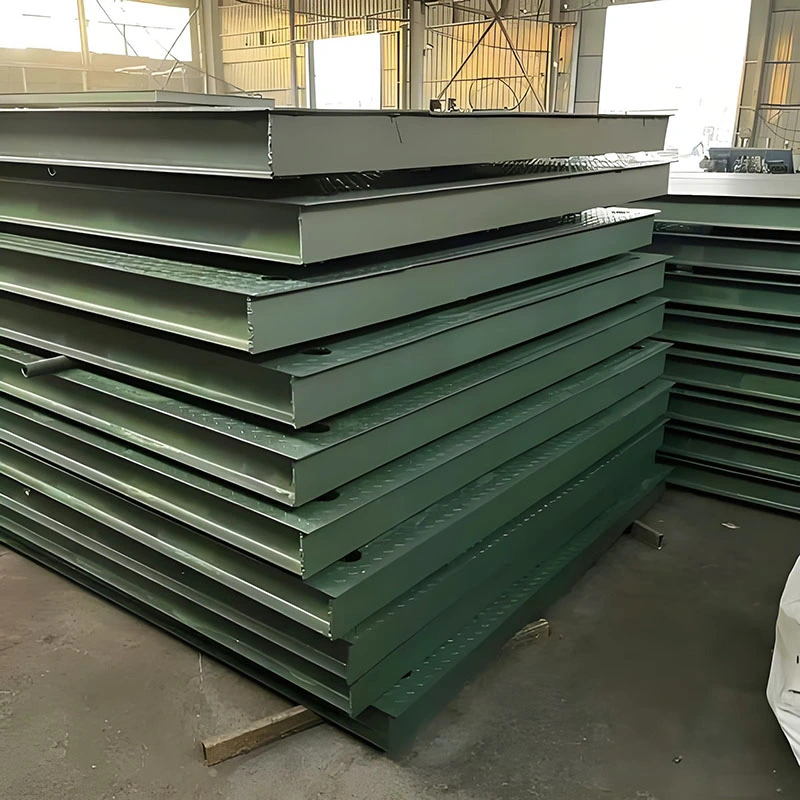
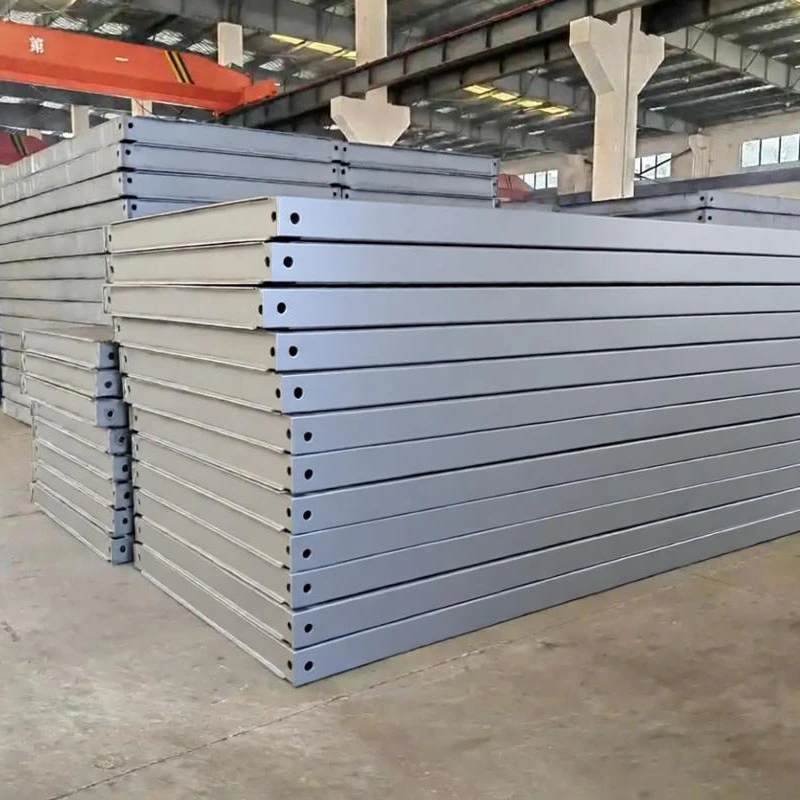
A hanging board is a versatile structural and decorative solution widely used in construction, interior design, industrial storage, and architectural cladding. Choosing the right hanging board can significantly impact durability, safety, and aesthetics. This article explores key considerations, material comparisons, installation insights, and common challenges customers face. Whether you are a contractor, designer, or distributor, this guide will help you make informed decisions and avoid costly mistakes.
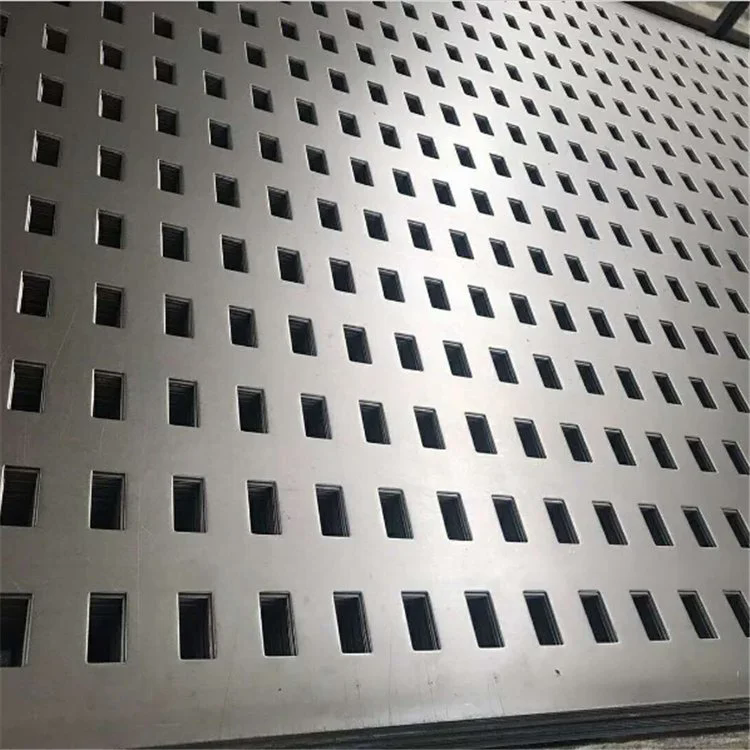
Table of Contents
What Is a Hanging Board?
A hanging board refers to a panel or sheet designed to be suspended, mounted, or fixed onto a structural framework using hooks, brackets, or concealed fasteners. It is commonly used in:
-
Wall cladding systems
-
Retail display fixtures
-
Industrial storage setups
-
Architectural facades
-
Interior decorative panels
These boards are engineered for both functional support and visual appeal, making them essential in modern construction and design.
Why Choosing the Right Hanging Board Matters
Selecting the wrong hanging board can lead to structural instability, corrosion, or aesthetic inconsistencies. Customers often underestimate the importance of material quality and load-bearing capacity.
-
Safety Risks: Weak boards may fail under weight
-
Durability Issues: Poor materials degrade quickly
-
Installation Challenges: Incompatible systems increase labor cost
-
Aesthetic Impact: Incorrect finish affects overall design
A well-chosen hanging board ensures long-term performance, reduced maintenance, and consistent visual results.
Types of Hanging Boards
Understanding the different types available helps narrow down your options based on application needs.
-
Metal Hanging Boards: High strength, corrosion-resistant, ideal for industrial and exterior use
-
Wooden Hanging Boards: Natural appearance, suitable for interior decoration
-
Composite Boards: Lightweight with enhanced durability
-
PVC Boards: Cost-effective and moisture-resistant
Among these, metal hanging boards are widely preferred due to their superior load capacity and long service life.
Key Factors to Consider
When selecting a hanging board, evaluating the following parameters is essential:
-
Material Strength: Determines load-bearing capacity
-
Corrosion Resistance: Critical for outdoor or humid environments
-
Thickness: Impacts durability and stability
-
Surface Treatment: Powder coating, galvanization, or anodizing
-
Installation Method: Hook-based, slot-based, or screw-fixed
-
Customization Options: Size, color, and finish flexibility
Ignoring these factors often leads to premature failure or increased operational costs.
Material Comparison Table
|
Material
|
Strength
|
Corrosion Resistance
|
Cost
|
Best Use Case
|
|
Steel
|
High
|
Medium (with coating)
|
Moderate
|
Industrial & structural applications
|
|
Aluminum
|
Medium
|
High
|
Higher
|
Architectural and lightweight systems
|
|
PVC
|
Low
|
High
|
Low
|
Indoor decorative use
|
|
Wood
|
Medium
|
Low
|
Varies
|
Interior aesthetics
|
Installation Best Practices
Proper installation is just as important as selecting the right product.
-
Ensure structural support is adequate before mounting
-
Use compatible fasteners and brackets
-
Maintain consistent spacing for load distribution
-
Check alignment during installation
-
Apply protective coatings if needed
Improper installation can compromise even the highest-quality hanging boards.
Common Customer Pain Points
Many customers face recurring challenges when sourcing hanging boards:
-
Unclear Specifications: Difficulty understanding technical parameters
-
Inconsistent Quality: Variations between batches
-
Limited Customization: Standard sizes not fitting project needs
-
Delayed Delivery: Supply chain inefficiencies
-
High Maintenance Costs: Poor material choice
Addressing these issues requires working with a reliable and experienced manufacturer.
How Shenghui Metal Delivers Value
Shenghui Metal specializes in high-performance hanging board solutions designed for durability and precision. With advanced manufacturing capabilities and strict quality control, the company ensures:
-
Consistent product quality across all batches
-
Custom fabrication tailored to project requirements
-
Advanced surface treatment for extended lifespan
-
Efficient production and global delivery support
Their expertise in metal processing allows clients to achieve both functional and aesthetic goals without compromise. For more product insights, you can explore their official product page:
https://www.shenghuisteel.com/hanging-board
FAQ
Q1: What thickness is ideal for a hanging board?
It depends on the load requirement. For heavy-duty applications, thicker steel boards are recommended, while lighter applications can use thinner materials.
Q2: Are metal hanging boards suitable for outdoor use?
Yes, especially when treated with galvanization or powder coating for corrosion resistance.
Q3: Can hanging boards be customized?
Most professional manufacturers offer customization in size, thickness, color, and surface finish.
Q4: How do I ensure proper installation?
Follow manufacturer guidelines and use appropriate mounting hardware. Consulting with professionals is recommended for large-scale projects.
Q5: What is the lifespan of a hanging board?
High-quality metal hanging boards can last decades with proper maintenance and installation.
Conclusion
Choosing the right hanging board is a critical decision that affects safety, durability, and design outcomes. By understanding material options, evaluating key factors, and addressing common challenges, you can ensure optimal performance for your project. Shenghui Metal stands out as a trusted partner, offering reliable and customizable solutions tailored to your needs.
If you are looking for high-quality hanging boards that combine strength, precision, and long-term value, contact us to discuss your project requirements and discover how Shenghui Metal can support your success.
 English
 Español
 Português
 русский
 Français
 日本語
 Deutsch
 tiếng Việt
 Italiano
 Nederlands
 ภาษาไทย
 Polski
 한국어
 Svenska
 magyar
 Malay
 বাংলা ভাষার
 Dansk
 Suomi
 हिन्दी
 Pilipino
 Türkçe
 Gaeilge
 العربية
 Indonesia
 Norsk
 تمل
 český
 ελληνικά
 український
 Javanese
 فارسی
 தமிழ்
 తెలుగు
 नेपाली
 Burmese
 български
 ລາວ
 Latine
 Қазақша
 Euskal
 Azərbaycan
 Slovenský jazyk
 Македонски
 Lietuvos
 Eesti Keel
 Română
 Slovenski
 मराठी
 Srpski језик