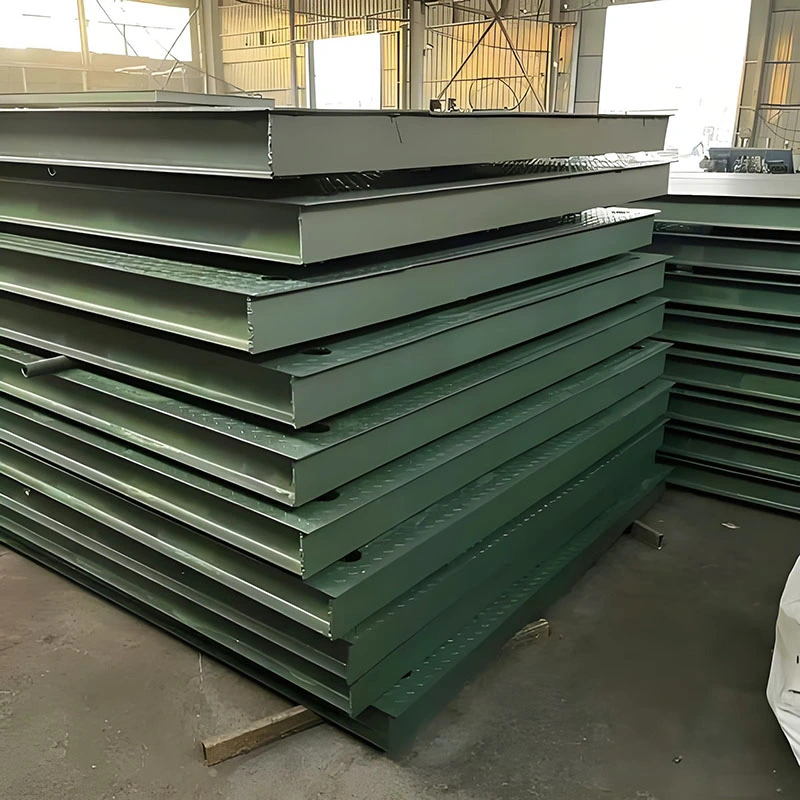
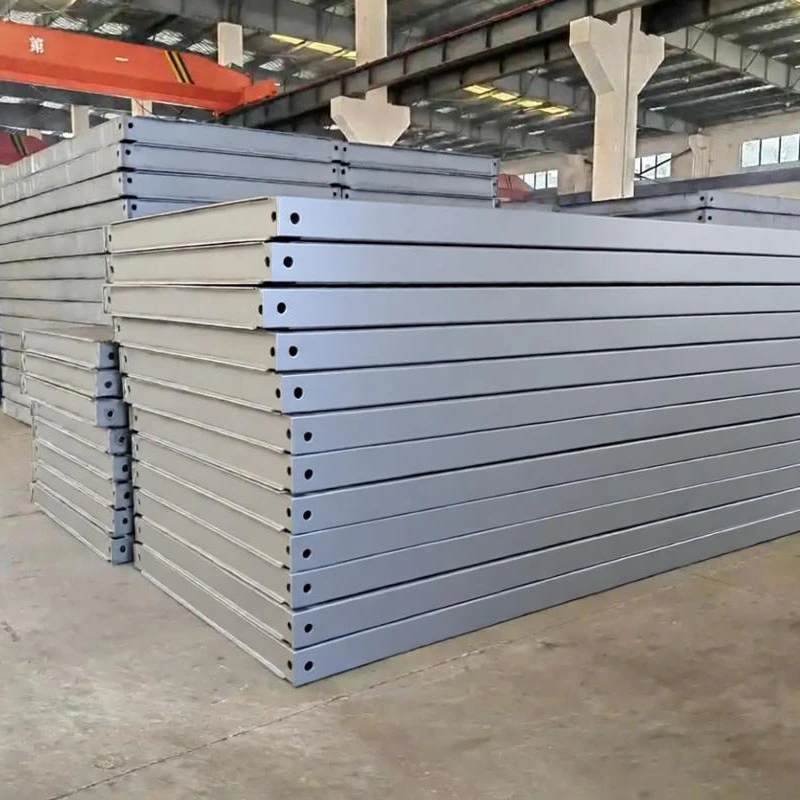
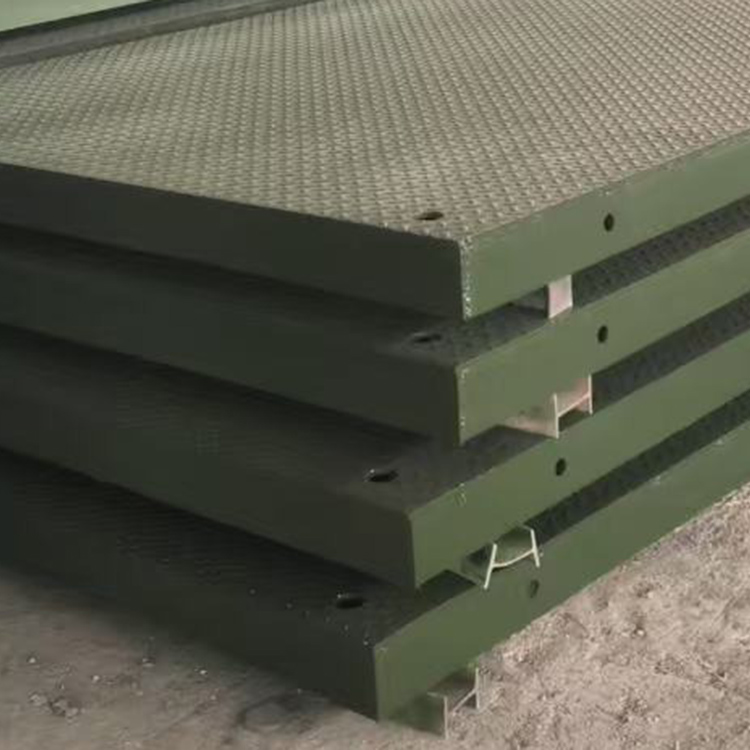
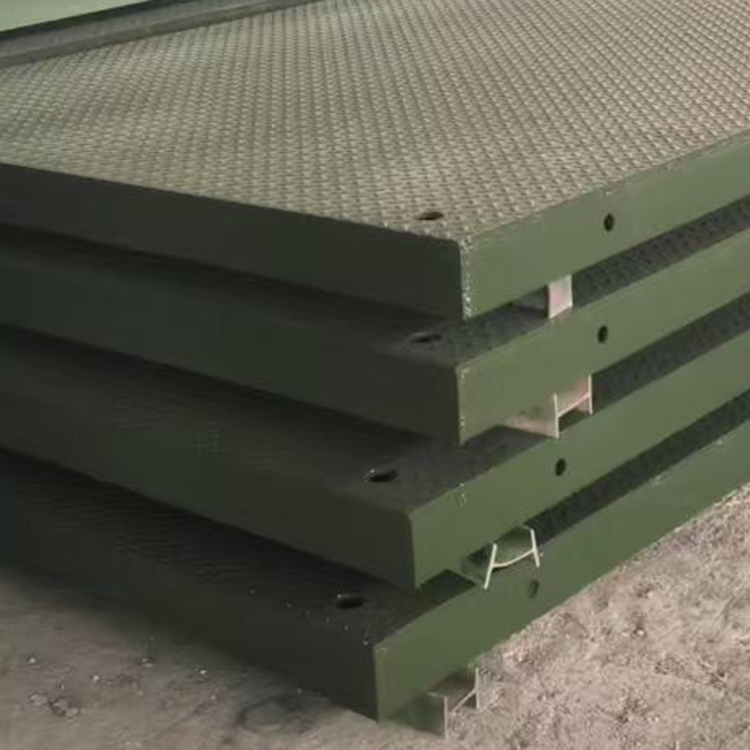
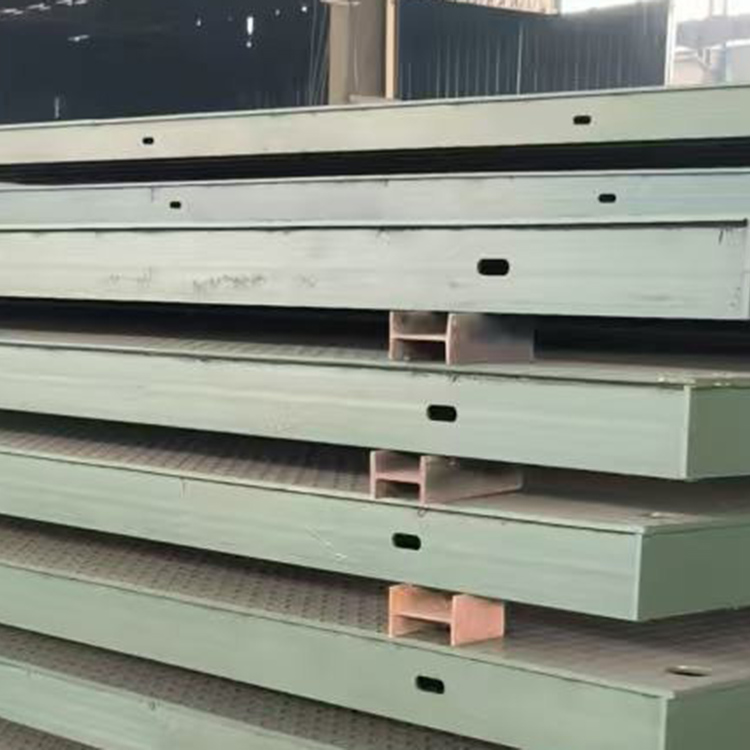
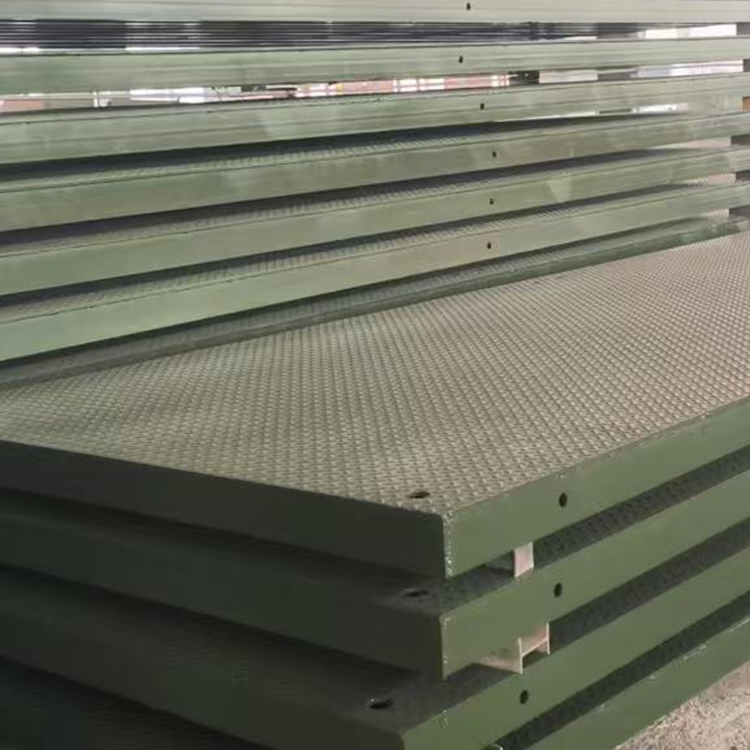
The primary purpose of High-speed railway bridge deck is to construct the bridge's running surface, directly bearing the forces exerted by train wheels and rails, and transmitting these forces to the piers and foundations through the structure. Their application covers the entire high-speed railway line, especially in challenging terrains such as crossing rivers and valleys, where the stability of the bridge deck directly impacts the overall safety of the line. Compared to traditional concrete bridge decks, metal bridge decks offer advantages such as lighter weight and easier installation, shortening construction time and reducing disruption to existing traffic. Shenghui Metal, through optimized steel proportions and welding processes, has achieved bridge decks that maintain high strength while possessing enhanced fatigue resistance, adapting to the frequent starts and stops and high-speed operation conditions of high-speed railways.
At the technical implementation level, Shenghui Metal leverages multiple production lines at its own production base, employing spiral tube processing technology integrated with steel support structure design to enhance the lateral load-bearing capacity of the bridge deck. For different geographical environments, the thickness, anti-corrosion coating, and connection methods of the bridge deck can be customized. For example, corrosion-resistant alloy steel is used in high-humidity coastal areas, and vibration-damping nodes are added in earthquake zones. During production, a rigorous quality control system covers raw material testing, welding process monitoring, and finished product load testing to ensure that each bridge deck meets railway industry standards.
To meet the efficiency requirements of high-speed rail construction, Shenghui Metal provides a full-process service from blueprint refinement to on-site installation. In the pre-sales stage, the technical team works with clients to determine specific parameters and quickly generate 3D models and stress analysis reports. During the production stage, modular manufacturing shortens the delivery cycle. In the installation stage, specialized connectors and construction guidance are provided to reduce on-site operational difficulties. Currently, the company has supplied bridge decks for multiple key national high-speed rail projects, and its products have withstood long-term operational testing and gained customer recognition.
Tianjin Shenghui Metal Products Co., Ltd. has always adhered to integrity as its foundation and insisted on a dual-drive approach of technological innovation and quality control. In addition to its standard product line, it can develop non-standard bridge deck panels based on customer-provided drawings or samples, flexibly addressing complex engineering needs. With the continuous expansion of the high-speed rail network, Shenghui Metal will continue to deepen its involvement in the railway engineering field, providing more reliable metal structure solutions for global rail transit construction.
Hot Tags: High-speed railway bridge deck, China, Manufacturer, Supplier, Factory
 English
 Español
 Português
 русский
 Français
 日本語
 Deutsch
 tiếng Việt
 Italiano
 Nederlands
 ภาษาไทย
 Polski
 한국어
 Svenska
 magyar
 Malay
 বাংলা ভাষার
 Dansk
 Suomi
 हिन्दी
 Pilipino
 Türkçe
 Gaeilge
 العربية
 Indonesia
 Norsk
 تمل
 český
 ελληνικά
 український
 Javanese
 فارسی
 தமிழ்
 తెలుగు
 नेपाली
 Burmese
 български
 ລາວ
 Latine
 Қазақша
 Euskal
 Azərbaycan
 Slovenský jazyk
 Македонски
 Lietuvos
 Eesti Keel
 Română
 Slovenski
 मराठी
 Srpski језик